Choosing the Right Deck Material: Wood vs Composite for Your Home
Choosing the right deck material is one of the most important decisions homeowners make when planning an outdoor living space. A well-designed deck not only enhances curb appeal but also adds functional value, creating a space for relaxation, entertaining, and everyday enjoyment. Among the many options available today, wood and composite decking remain the two most popular choices, each offering distinct advantages and considerations. Understanding the differences between these materials is essential to making a decision that aligns with long-term goals, budget, and maintenance expectations.
As the home improvement industry continues to evolve, advancements in materials and construction techniques have expanded the possibilities for durable and aesthetically pleasing decks. Homeowners are no longer limited to traditional wood; composite materials now provide a modern alternative designed for longevity and low upkeep. However, selecting between wood and composite is not simply about appearance—it involves evaluating performance, cost, environmental impact, and lifestyle compatibility. By carefully comparing these factors, homeowners can confidently choose a deck material that delivers both immediate satisfaction and lasting value.
1. Understanding Wood Decking: Timeless Appeal and Natural Beauty
Types of Wood Used for Decking
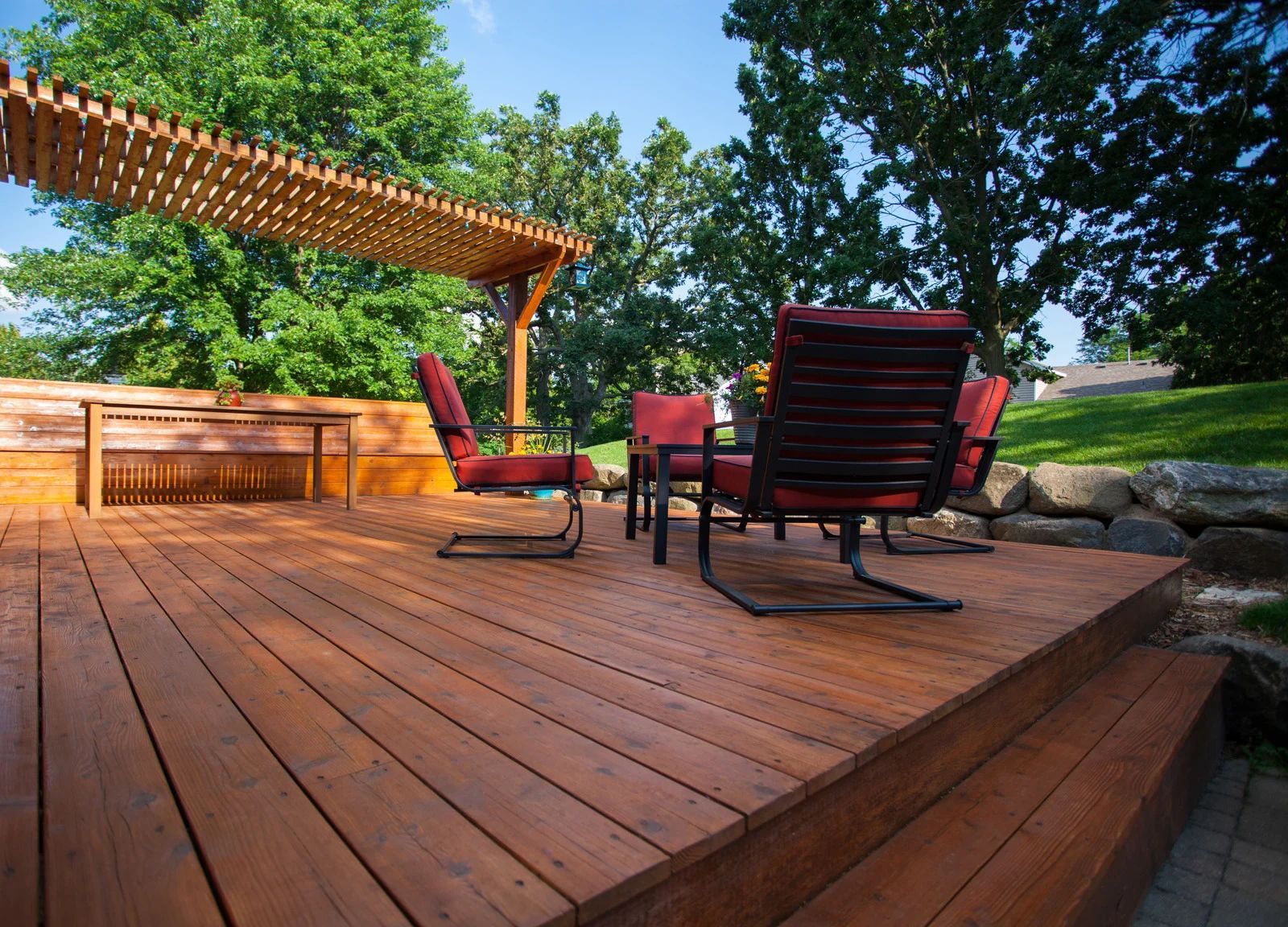
Wood decking has long been favored for its natural warmth and classic appearance. Common options include pressure-treated lumber, cedar, and redwood. Pressure-treated wood is widely available and cost-effective, while cedar and redwood offer enhanced resistance to decay and insects. Exotic hardwoods, such as ipe, provide exceptional durability but come at a premium price point.
Each type of wood presents unique characteristics in terms of grain, color, and strength. This variety allows homeowners to select a look that complements the architectural style of the home. For example, cedar’s rich tones suit rustic designs, while hardwoods create a more upscale finish.
Benefits of Choosing Wood
One of the primary advantages of wood decking is its authentic appearance. The natural grain patterns and textures create a visually appealing surface that cannot be fully replicated by synthetic materials. Wood is also easier to cut, shape, and customize, making it ideal for intricate designs or unique layouts.
Additionally, wood tends to have a lower upfront cost compared to composite materials. For homeowners working within a strict budget, this can make wood an attractive option. Repairs are also straightforward, as individual boards can be replaced without significant disruption.
Challenges and Maintenance Requirements
Despite its benefits, wood decking requires consistent maintenance to preserve its appearance and structural integrity. Regular sealing, staining, and cleaning are necessary to prevent moisture damage, warping, and fading. Without proper care, wood can crack, splinter, or develop mold over time.
Climate also plays a significant role. In areas with high humidity or frequent rainfall, wood decks may deteriorate more quickly. Homeowners must be prepared for ongoing upkeep, both in terms of time and cost, to ensure longevity.
2. Exploring Composite Decking: Modern Innovation and Durability
What Is Composite Decking?
Composite decking is manufactured from a blend of wood fibers and recycled plastics. This engineered material is designed to mimic the appearance of wood while offering enhanced durability and reduced maintenance. Over the years, advancements in technology have improved the texture and color variations, making composite boards more realistic than ever.
Composite decking is available in a wide range of colors and finishes, allowing homeowners to achieve a consistent look without the natural imperfections found in wood.
Advantages of Composite Materials
One of the most significant benefits of composite decking is its low maintenance requirements. Unlike wood, composite does not require staining or sealing. Routine cleaning with soap and water is typically sufficient to maintain its appearance.
Durability is another key advantage. Composite boards are resistant to rot, insects, and moisture, making them ideal for various climates. They are less prone to splintering and cracking, providing a safer surface for families, especially those with children or pets.
From an environmental perspective, many composite products are made from recycled materials, reducing waste and promoting sustainability. This appeals to homeowners seeking eco-friendly building solutions.
Potential Drawbacks to Consider
While composite decking offers many benefits, it does come with a higher initial cost compared to wood. This upfront investment may be a deciding factor for some homeowners. Additionally, although composite materials are durable, they can retain heat more than wood, making them warmer underfoot in direct sunlight.
Another consideration is aesthetics. While modern composite boards closely resemble wood, some homeowners still prefer the authenticity of natural timber. Understanding these trade-offs is essential when evaluating options.
3. Cost Comparison: Short-Term Investment vs Long-Term Value
Initial Installation Costs
When comparing wood and composite decking, cost is often a primary concern. Wood decking typically has a lower upfront cost, especially when using pressure-treated lumber. This makes it an accessible option for homeowners looking to complete a project within a limited budget.
Composite decking, on the other hand, requires a higher initial investment due to material costs and specialized installation techniques. However, this higher cost often reflects the advanced manufacturing and extended lifespan of the material.
Long-Term Maintenance Expenses
While wood may be cheaper initially, ongoing maintenance costs can add up over time. Regular staining, sealing, and repairs require both financial investment and labor. Over a period of several years, these expenses can significantly increase the total cost of ownership.
Composite decking, with its minimal maintenance requirements, tends to have lower long-term costs. Homeowners save on materials and labor associated with upkeep, making it a cost-effective option in the long run.
Value and Return on Investment
From a resale perspective, both wood and composite decks can enhance property value. However, composite decking often appeals to buyers seeking low-maintenance features. This can make a home more attractive in competitive markets.
Ultimately, the choice between wood and composite depends on whether homeowners prioritize upfront savings or long-term value. Evaluating the total cost over the lifespan of the deck provides a clearer picture of the true investment.
4. Performance and Durability: How Each Material Holds Up
Weather Resistance and Longevity
Durability is a critical factor when selecting a deck material. Wood decks are susceptible to weather-related damage, including moisture absorption, UV exposure, and temperature fluctuations. Over time, these factors can lead to warping, cracking, and discoloration.
Composite decking is engineered to withstand harsh environmental conditions. It resists moisture penetration and UV damage, maintaining its structure and color for longer periods. This makes it a reliable choice for homeowners seeking a long-lasting solution.
Safety and Comfort Considerations
Safety is another important aspect of deck performance. Wood can splinter as it ages, posing a risk for bare feet. It can also become slippery when wet if not properly maintained.
Composite decking offers a smoother surface and often includes slip-resistant features. This enhances safety, particularly in high-traffic areas or around pools. However, as mentioned earlier, composite materials may retain heat, which can affect comfort during hot weather.
Structural Integrity Over Time
Both materials can provide strong structural support when installed correctly. However, composite decking tends to maintain its integrity with less maintenance. Wood, while sturdy, requires regular inspection and care to prevent structural issues.
Choosing a material that aligns with local climate conditions and usage patterns is essential for ensuring long-term performance.
5. Aesthetic Appeal and Design Flexibility
Visual Differences Between Wood and Composite
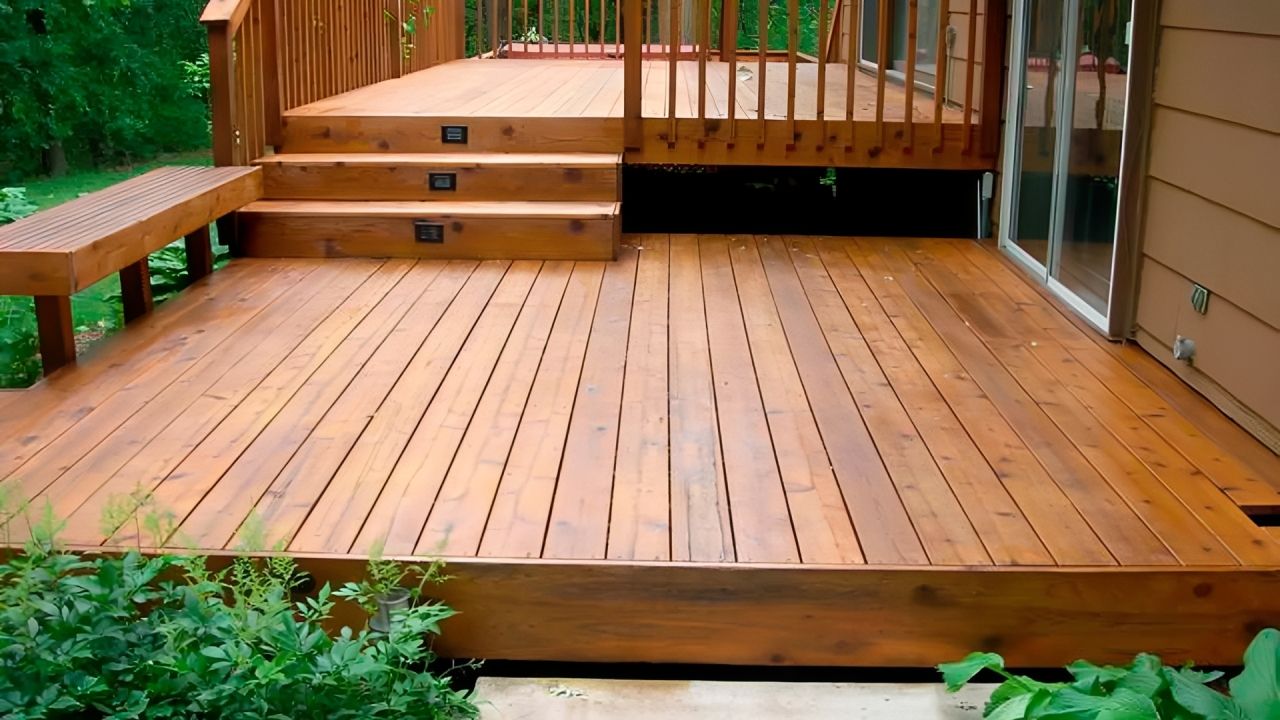
Aesthetics play a significant role in deck selection. Wood offers a natural, organic look with unique grain patterns and color variations. This creates a warm and inviting atmosphere that many homeowners appreciate.
Composite decking provides a more uniform appearance. While modern designs replicate wood textures, the consistency in color and finish can be appealing for contemporary homes. The wide range of color options allows for greater customization.
Customization and Design Options
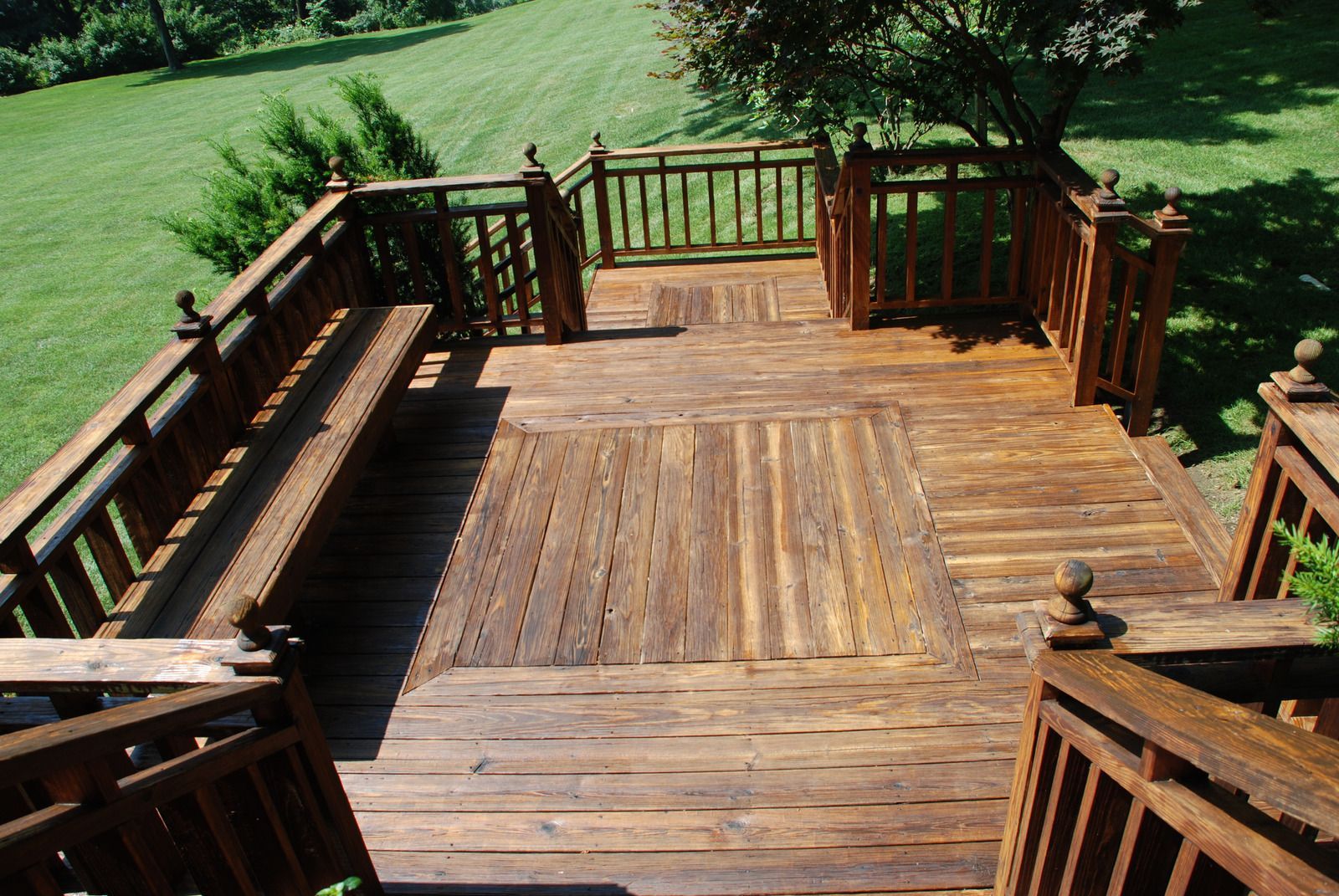
Wood is highly versatile and can be easily modified to accommodate custom designs, such as curved layouts or intricate patterns. This flexibility makes it a popular choice for creative projects.
Composite decking also offers design versatility, with various board sizes, colors, and finishes available. Hidden fastening systems enhance the overall appearance by eliminating visible screws, resulting in a clean, polished look.
Matching Your Home’s Style
Selecting the right material involves considering the overall design of the home. Traditional homes often pair well with wood decking, while modern designs may benefit from the sleek appearance of composite materials.
Balancing aesthetics with functionality ensures that the deck complements the home while meeting practical needs.
Trusted Craftsmanship for Durable, Beautiful Outdoor Spaces
When it comes to building or upgrading a deck, experience and attention to detail make all the difference. At Lewis Handyman Services, every project is approached with a commitment to quality, precision, and long-term performance. With over 20 years of hands-on experience in the handyman industry, a deep understanding of both wood and composite decking ensures that each client receives guidance tailored to specific needs and preferences.
From helping homeowners choose the right material to executing flawless installations, the focus remains on delivering results that combine durability with visual appeal. Every deck is built to withstand the elements while enhancing the overall functionality of the outdoor space. Clear communication, reliable timelines, and a dedication to craftsmanship set the standard for every project undertaken.
Serving homeowners in Clarksville, Tennessee, Lewis Handyman Services
continues to be a trusted name for dependable, high-quality work. Whether upgrading an existing deck or starting from scratch, the goal is to create outdoor spaces that add value, comfort, and lasting enjoyment for years to come.