Top Deck Design Trends to Boost Your Home’s Curb Appeal
A well-designed deck has evolved from a simple outdoor platform into a defining feature that enhances a home’s overall curb appeal and functionality. Today’s homeowners are placing greater emphasis on outdoor living spaces that seamlessly blend aesthetics with practicality. As a result, deck design trends are shifting toward modern materials, innovative layouts, and personalized elements that reflect lifestyle preferences while increasing property value. Whether preparing a home for resale or simply elevating its exterior appearance, investing in thoughtful deck design has become a strategic decision within the home improvement industry. Additionally, a well-planned deck can serve as a long-term investment that improves both lifestyle quality and property desirability. With the growing demand for outdoor entertainment and relaxation areas, decks are now considered essential rather than optional features. This shift highlights the importance of aligning design choices with both functionality and visual appeal.
Curb appeal is no longer limited to landscaping and exterior paint. A visually appealing and functional deck can dramatically transform how a home is perceived from the outside. From clean, contemporary lines to multi-level structures and integrated lighting, modern deck trends are focused on creating cohesive outdoor environments. These designs not only enhance visual impact but also improve usability, making outdoor spaces more inviting and versatile. Understanding these trends allows homeowners to make informed decisions that align with both current design standards and long-term value. Furthermore, thoughtfully designed decks create a strong first impression, which is especially important in competitive real estate markets. They also offer an opportunity to extend interior design themes into outdoor spaces, creating a unified and polished look. By incorporating the latest trends, homeowners can achieve a balance between style, comfort, and lasting performance.
1. Embracing Multi-Level Deck Designs
Creating Visual Depth and Dimension
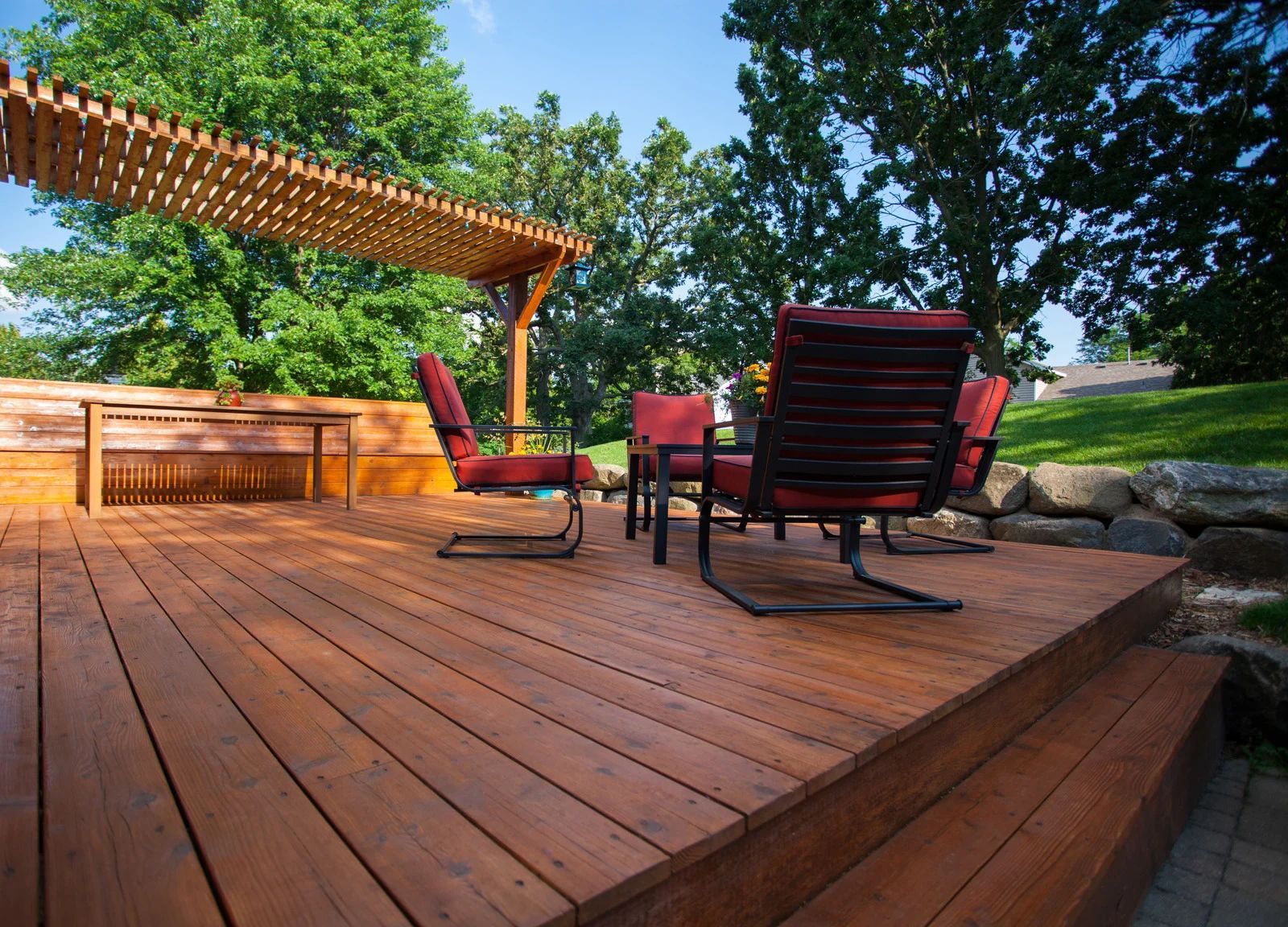
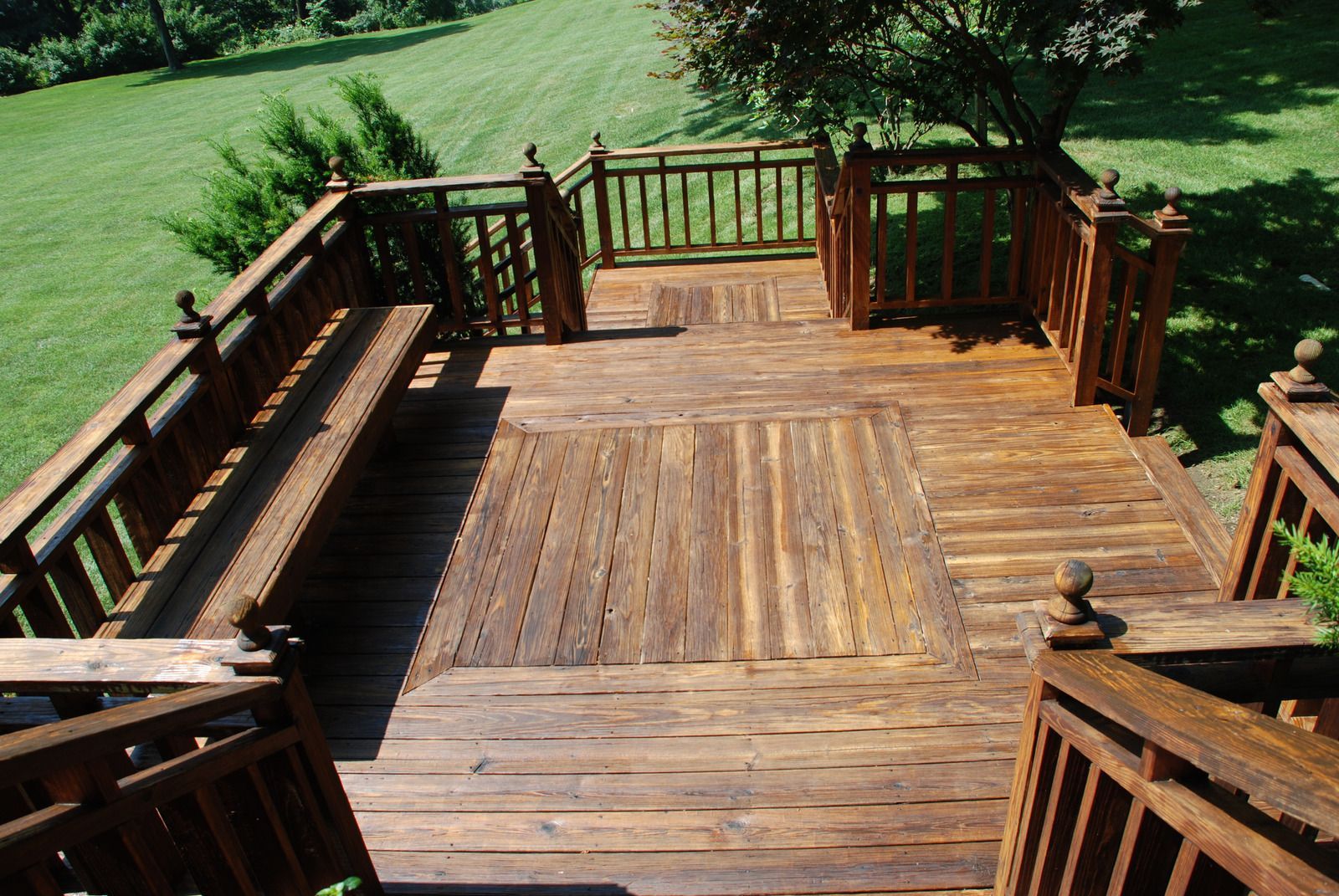
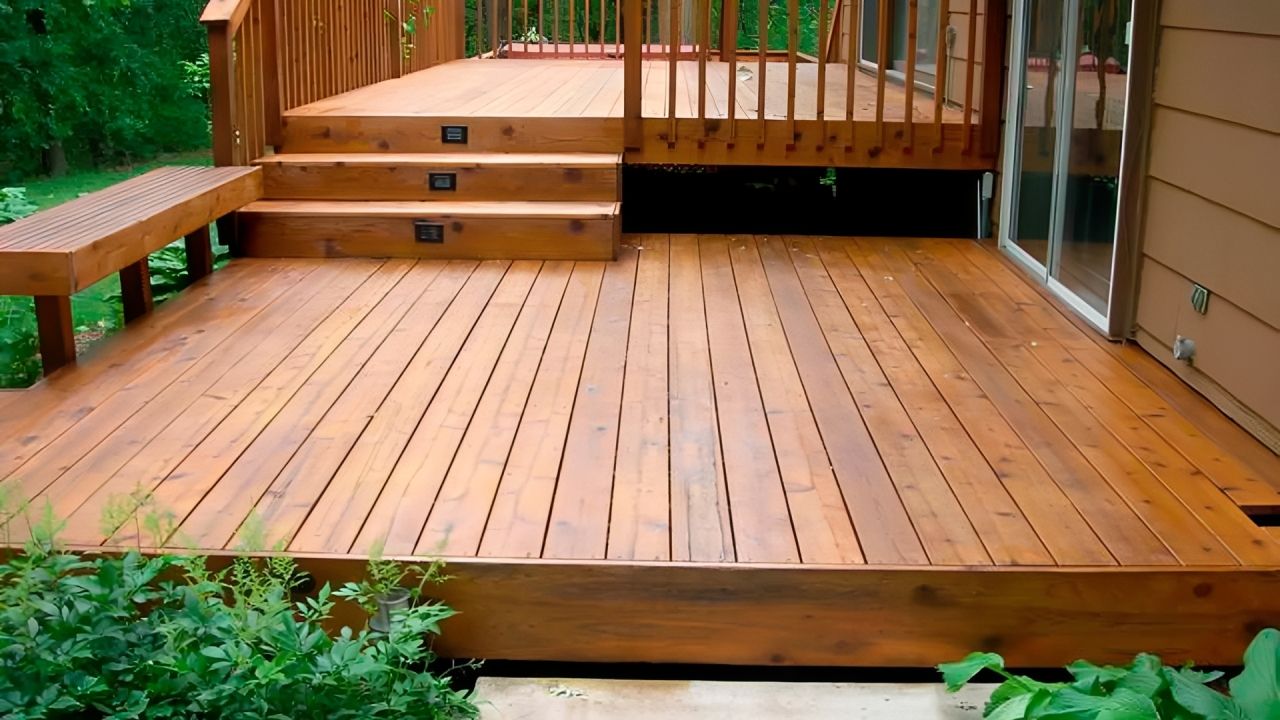
Multi-level decks are becoming increasingly popular due to their ability to add depth and architectural interest to a home’s exterior. Instead of a single flat platform, these designs introduce layers that naturally guide the eye and create a more dynamic outdoor space. Each level can serve a specific purpose, such as dining, lounging, or entertaining, making the deck both functional and visually engaging while elevating the overall exterior design appeal.
Functional Zoning for Better Use
Segmenting a deck into multiple levels allows for intentional zoning. For example, a lower level may be designed for outdoor cooking while an upper level serves as a relaxation area. This approach improves traffic flow and ensures that each section has a defined role. It is especially beneficial for homes with sloped yards, where multi-level construction maximizes usable space without extensive landscaping modifications or additional costly structural changes.
Best Practices for Implementation
To ensure success, consistency in materials and color palettes is essential. Using complementary finishes across levels creates cohesion while still allowing each section to stand out. Incorporating railings, planters, or steps with integrated lighting can further enhance both safety and visual appeal while contributing to a polished and professionally finished outdoor living environment.
2. Incorporating Modern Materials and Finishes
Composite Decking for Durability
Traditional wood decks are being replaced or supplemented with composite materials that offer superior durability and low maintenance. These materials resist moisture, fading, and insect damage, making them ideal for long-term performance. Additionally, composite decking is available in a wide range of colors and textures, allowing homeowners to achieve a high-end look without the upkeep associated with natural wood or frequent seasonal maintenance requirements.
Mixed Material Aesthetics
Combining materials such as wood, metal, and glass is a growing trend that adds sophistication to deck design. For instance, pairing warm wood tones with sleek metal railings creates a modern contrast that enhances curb appeal. Glass panels can be used to maintain unobstructed views while contributing to a clean, contemporary aesthetic that aligns with modern architectural preferences and upscale outdoor design expectations.
Sustainability Considerations
Eco-conscious homeowners are prioritizing sustainable materials. Recycled composites and responsibly sourced wood not only reduce environmental impact but also appeal to buyers who value green building practices. This trend aligns with broader industry shifts toward sustainability and responsible construction, helping homeowners create environmentally friendly outdoor spaces that support long-term ecological balance and reduced resource consumption.
3. Enhancing Ambiance with Integrated Lighting
Layered Lighting for Visual Impact
Lighting plays a critical role in elevating deck design. Rather than relying on a single light source, layered lighting techniques are used to create ambiance and highlight architectural features. This includes step lights, post cap lights, and under-rail lighting, all working together to produce a balanced and inviting environment that enhances nighttime usability and visual depth.
Safety and Functionality
Beyond aesthetics, integrated lighting improves safety by illuminating stairs, edges, and pathways. This is particularly important for decks used in the evening or in areas with limited natural light. Proper lighting design reduces the risk of accidents while ensuring the space remains usable at all hours, especially during gatherings or extended outdoor activities after sunset.
Energy-Efficient Solutions
LED lighting has become the standard due to its energy efficiency and long lifespan. Solar-powered options are also gaining traction, offering an eco-friendly alternative that reduces electricity costs. These solutions provide homeowners with both practicality and long-term savings while supporting environmentally responsible energy usage and sustainable outdoor lighting strategies.
4. Adding Built-In Features for Seamless Design
Custom Seating and Storage
Built-in seating is a practical addition that enhances both functionality and aesthetics. Benches integrated into the deck structure eliminate the need for bulky outdoor furniture while maintaining a clean and cohesive look. Incorporating storage beneath seating areas adds an extra layer of convenience, allowing homeowners to keep cushions, tools, and accessories neatly organized and easily accessible when needed.
Outdoor Kitchens and Fire Features
Decks are increasingly being designed as extensions of indoor living spaces. Outdoor kitchens, complete with grills, countertops, and sinks, create a fully functional entertainment area. Fire pits and fireplaces add warmth and serve as focal points, making the deck usable even in cooler weather conditions and extending the usability of outdoor spaces throughout multiple seasons.
Design Consistency and Flow
The key to successful built-in features is maintaining consistency with the overall design. Materials, colors, and finishes should align with the deck’s primary structure to ensure a seamless appearance. Thoughtful placement of these elements enhances usability without overcrowding the space while preserving a balanced and visually appealing outdoor layout.
5. Prioritizing Minimalist and Contemporary Styles
Clean Lines and Open Spaces
Modern deck design is heavily influenced by minimalist principles. Clean lines, neutral color palettes, and uncluttered layouts create a sophisticated look that appeals to a wide range of homeowners. This approach emphasizes quality over quantity, focusing on a few well-designed elements rather than excessive decoration or unnecessary design distractions that can overwhelm the space.
Neutral and Natural Tones
Color choices play a significant role in achieving a contemporary aesthetic. Shades of gray, beige, and natural wood tones are widely used to create a timeless appearance. These colors complement a variety of architectural styles and blend seamlessly with surrounding landscapes, enhancing the overall harmony between the home and its outdoor environment.
Balancing Simplicity and Comfort
While minimalism emphasizes simplicity, comfort should not be overlooked. Incorporating high-quality furnishings, subtle textures, and carefully selected décor ensures that the deck remains inviting and functional. The goal is to create a space that feels both modern and livable while supporting relaxation, entertainment, and everyday outdoor enjoyment.
6. Integrating Landscaping with Deck Design
Blurring Indoor and Outdoor Boundaries
One of the most impactful trends is the integration of landscaping with deck structures. By incorporating plants, greenery, and natural elements, homeowners can create a seamless transition between indoor and outdoor spaces. This approach enhances curb appeal by making the deck feel like a natural extension of the environment and surrounding landscape design.
Strategic Use of Planters and Greenery
Built-in planters or strategically placed pots can soften the look of a deck while adding color and texture. Climbing plants, shrubs, and small trees can be used to create privacy and define different areas of the deck. This not only improves aesthetics but also contributes to a more relaxing and visually engaging outdoor atmosphere for daily use.
Maintenance and Longevity
While landscaping adds beauty, it requires proper maintenance to remain effective. Selecting low-maintenance plants and ensuring proper drainage are essential steps in preserving the deck’s appearance. Regular upkeep ensures that the integration of greenery continues to enhance rather than detract from curb appeal while maintaining long-term durability and visual consistency.
Trusted Deck Experts Delivering Lasting Outdoor Transformations
When it comes to transforming outdoor spaces with precision and expertise, Lewis Handyman Services stands as a trusted name in the handyman industry. With over 20 years of experience serving homeowners in Clarksville, Tennessee, a strong commitment to quality craftsmanship and attention to detail defines every project undertaken. From modern deck upgrades to complete outdoor transformations, every solution is tailored to meet specific design goals while enhancing overall curb appeal.
A deep understanding of current deck design trends allows for the delivery of results that are both visually striking and highly functional. Whether incorporating multi-level structures, durable materials, or integrated lighting, the focus remains on creating outdoor spaces that align with today’s standards and homeowner expectations. Reliability, professionalism, and consistent workmanship ensure that each project is completed to the highest standard.
Choosing experienced professionals makes a significant difference in achieving long-lasting results. With a proven track record and a customer-focused approach, Lewis Handyman Services
continues to provide dependable solutions that elevate homes and outdoor living spaces with confidence and precision.